One model of your actual product. Everything else starts from it.
What your customer does
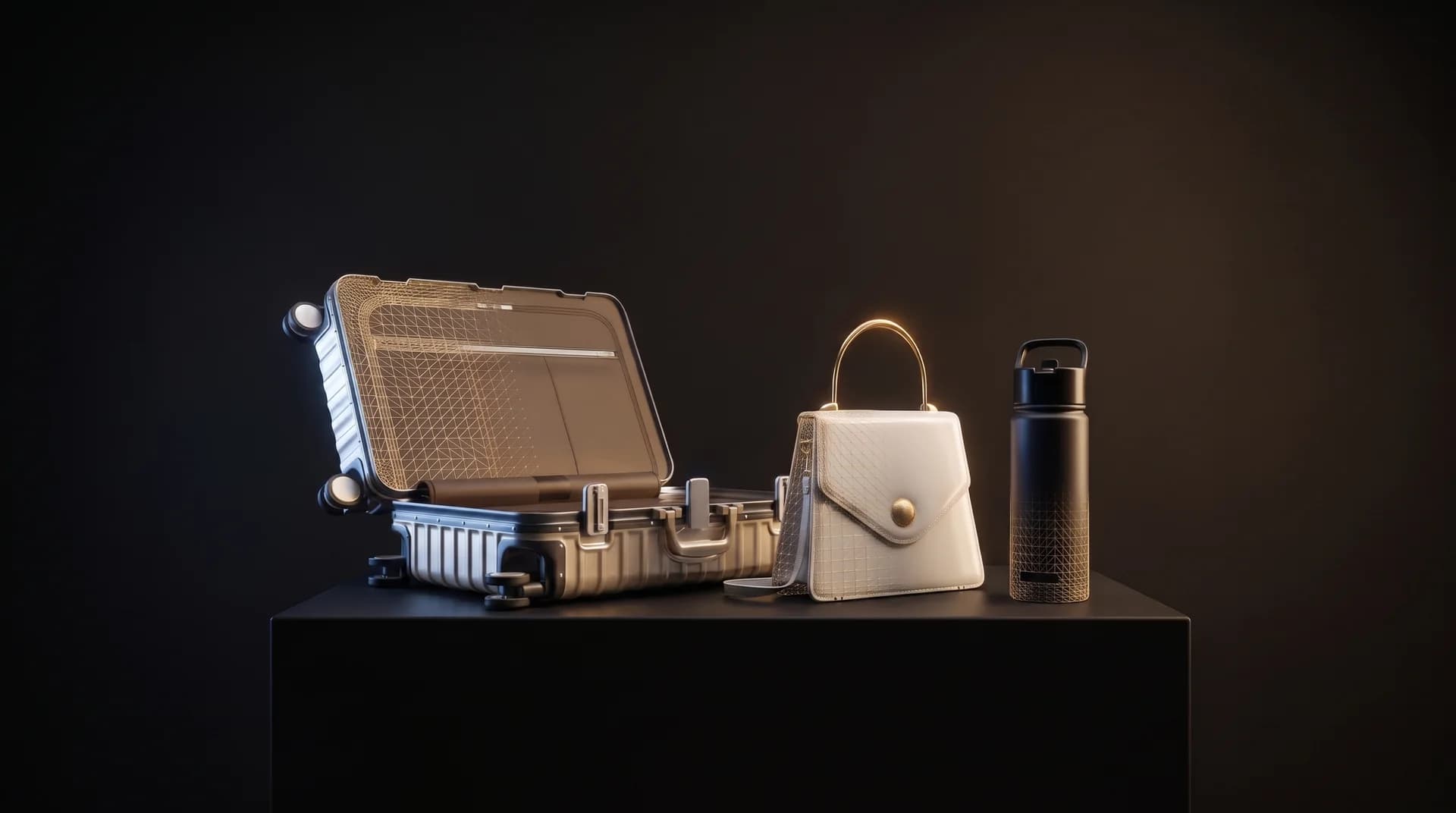
Turns it, opens it, zooms into the stitching and the hardware, and sees the choices you made before the box arrives.
What you get
Built by hand, to the sample
A modeller builds the geometry from your CAD files, or from photographs we take or you send, then checks it against the physical piece and your colour references. Every asset is made by a person who has spent years learning to do it.
Materials that behave
Leather grain, brushed metal, glass, lacquer, fabric weave: built as physically based materials, so they react to light the way the real thing does, as close to real as the browser allows. A material is built once and reused on every model after it.
Light enough for a product page
Delivered compressed for the web. A leather bag adds about 0.3 seconds to page load on a 50 Mbps connection; a bottle less than a tenth of a second. The number for your product comes with the quote.
What ships to you
- Input
- CAD (STEP, IGES, OBJ or a native file), or photographs of the product, plus a sample or material references for colour
- Output
- GLB for the web, USDZ for iOS AR, source files (Blender, textures)
- Scale
- Metres, 1:1 to the official measurements, so AR shows the true size
- Weight
- Measured on our own models: 0.2 to 2.5 MB for bags, luggage, bottles and jewellery, adding 0.1 to 0.4 s to page load; upholstered furniture up to about 6 MB and 1 s
- Ownership
- Yours. One price, no licence to renew, no monthly fee. Source files included.
- Hosting
- On your site, or on ours at no charge. Maintenance is optional and priced separately, per year.
How it is built
Blueprint
We agree what the model has to do before we open a file: which parts move, which zones change colour, where the hotspots go, and which measurements are the source of truth.
Modelling
Geometry built to the sample, named by zone, kept to a polygon budget that a phone can draw.
Materials, your sign-off
Stills of the model next to your references. You say yes, or you say what is off. One or two rounds is normal: only you know your product to the end.
Checked on a phone
Every file is opened on a phone before you see it: weight, load time, how it turns, how it stands in AR.
Delivery
The files, a short spec sheet, and the link. The model is yours from that day.
Questions we get before the first model
What do you need from us to start?
Either CAD files, or the product itself. If there is no CAD, we take photographs, or you send them, and we build from those plus the official measurements. For colour, a physical sample beats any screen value; material references from your supplier are the next best thing.
Will it look exactly like the product?
It is built to the sample, checked against it, and you sign off on stills before it ships. Real-time 3D in a browser is not a photograph and we do not call it one: we build as close to real as the browser allows. What a photograph cannot do, the model does. Every angle, every variant, at true scale.
Does this replace our photography?
No. The photograph keeps its job: the mood, the campaign, the first three seconds. The model takes the part a photograph cannot answer: what is inside, how the strap attaches, what the other eleven colours look like, how big it really is.
Will it slow down our product page?
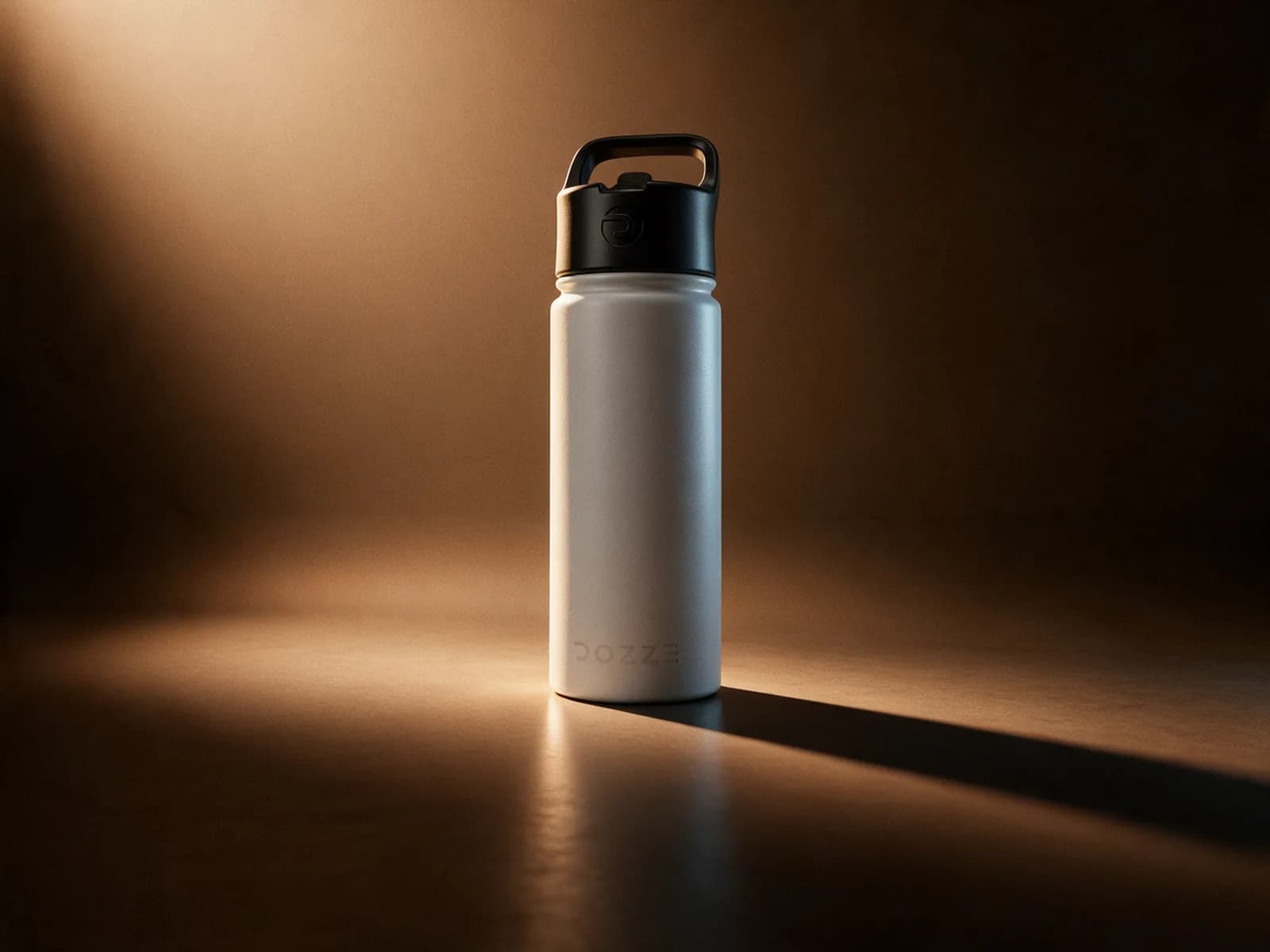
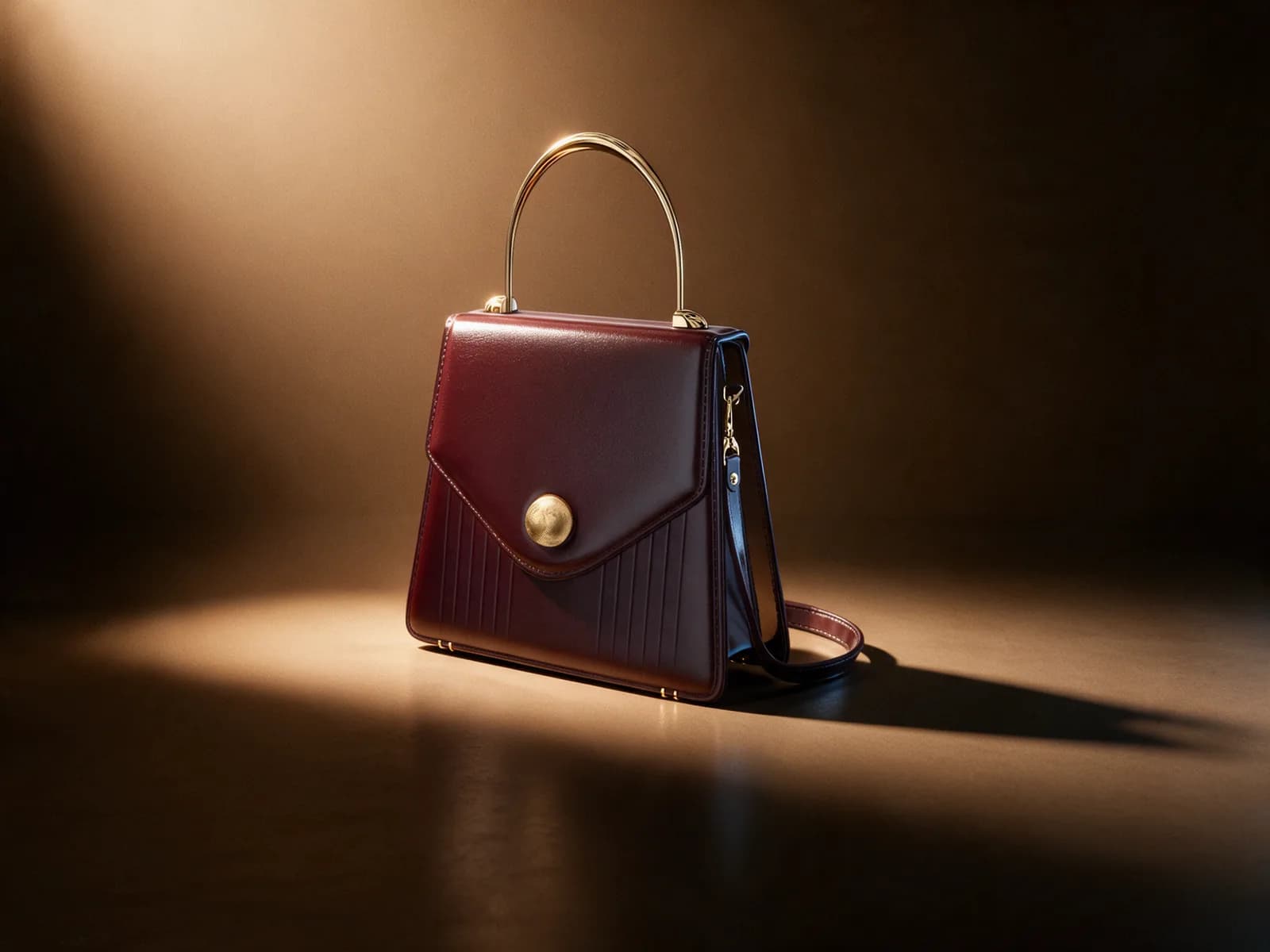
We measure this on every model. On a 50 Mbps connection our leather bag adds 0.28 seconds to the page, our aluminium suitcase 0.29, our ring 0.39, our bottle 0.08. The model loads alongside the rest of the page, not before it, and only when the section is in view.
Who owns the files?
You do, from the day of delivery. Source files included. There is no licence to renew and no platform you are tied to: the model works on your site, in AR, in the configurator, and in the next prototype your designers open.
Is the model made by a person?
Yes. Every 3D asset we deliver is built by hand by a modeller who has spent years learning to do it. We start from your existing photographs and your existing library, and we end with a file that matches the piece on your table.
How long does one product take?
It depends on the piece, and we say the date with the quote. As a rule, a first product is a matter of days once the material is in, plus your review rounds. A series goes faster per piece, because the materials and the light setup are built once.
What does it cost?
One price per product, by category and complexity, quoted after we see the piece. No licence, no monthly fee. A material or colour is built once and reused across every model after it, so a range gets cheaper as it grows, and from ten models we arrange a volume discount.
Can the same model be used for AR, the configurator and scroll stories?
Yes. That is the point of starting from one model. AR, the configurator, the animation and the store integration all use the same file, so a change is made once.
Link the product page or send photographs. We will tell you what it takes, what it will weigh and how long it runs.
Show us your best seller
Send a message, or ask for a free 3D model of one product, no strings attached.
- Address
- Belgrade, Serbia
- Contact
- hello@teatika.com